Pulsed Field Ablation for AF: What Patients Should Know
How PFA works, what to expect on the day and who may benefit from this newer, tissue-selective energy source.
Cardiologist & Cardiac Electrophysiologist
Providing comprehensive cardiovascular care with a special focus on heart rhythm disorders, cardiac electrophysiology and evidence-based treatment.

Years in Cardiology
Electrophysiology Procedures
Procedures in Canberra since 2025
Countries of Practice — AU, UK & India

My consulting room
Patients are seen in my rooms at Deakin, where GP referrals are received and all consultations begin.

Patients are seen in my rooms at Deakin, where GP referrals are received and all consultations begin.

Patients are seen in my rooms at Deakin, where GP referrals are received and all consultations begin.
GPs can refer securely through HealthLink and HealthShare, the referral platforms used by Canberra general practice.
Refer a patient
Meet your specialist
A specialist cardiologist and cardiac electrophysiologist dedicated to delivering high-quality, evidence-based care for patients with heart rhythm disorders.
Dr Khanra completed specialist training in cardiology and advanced sub-speciality fellowship training in cardiac electrophysiology and catheter ablation. He has broad clinical experience managing general cardiology conditions as well as complex heart rhythm disorders.
His practice combines procedural precision with clear, compassionate communication — ensuring patients and their families understand their diagnosis, their treatment options and what to expect at every step.
FRACP · Staff Specialist, The Canberra Hospital
Training
Advanced electrophysiology training in the United Kingdom, before returning to consultant practice.

Electrophysiology training at the largest cardiac electrophysiology centre in Europe.

Training at a national cardiac transplant centre and one of the busiest hospitals in the UK.
What I do
From general cardiology through to complex electrophysiology, every assessment is tailored to your heart, your symptoms and your goals.
Comprehensive cardiovascular assessment, diagnosis and treatment.
Learn more about CardiologySpecialist care for heart rhythm disorders and electrical conditions of the heart.
Learn more about Cardiac ElectrophysiologyDiagnosis and treatment of abnormal heart rhythms.
Learn more about Arrhythmia ManagementAdvanced assessment and management of atrial fibrillation, including pulsed field ablation.
Learn more about Atrial FibrillationSpecialist electrophysiology procedures for selected rhythm disorders.
Learn more about Catheter AblationAssessment and management of pacemakers, ICDs, CRT and leadless devices.
Learn more about Pacemaker & Device ManagementComprehensive evaluation and evidence-based management.
Learn more about Heart FailureRisk assessment and strategies for long-term cardiovascular health.
Learn more about Preventive CardiologyCardiac electrophysiology
Every heartbeat starts as a tiny electrical impulse. Cardiac electrophysiology is the study of that electrical system — how impulses are generated, how they travel, and what happens when the timing goes wrong. When the pathway misfires, you may notice palpitations, dizziness, breathlessness or fainting.
The model shows one normal heartbeat, synchronised with its ECG trace:
Conditions
Whether your symptoms are new, intermittent or longstanding, a careful rhythm assessment is the first step to the right treatment.
Irregular, often rapid rhythm from the atria
Organised fast circuit in the right atrium
Sudden-onset racing heart (SVT)
VT and ventricular ectopic beats (VPCs)
A heart rate that is too slow
A heart rate that is too fast
Fluttering, pounding or skipped beats
Unexplained fainting or blackouts
Assessment of abnormal ECGs and monitors
Recurrent or difficult-to-treat rhythms
Procedures & treatments
More than 2,000 electrophysiology procedures performed across Australia, the United Kingdom and India — using contemporary mapping and ablation technology.

Holter monitors, event recorders and implantable loop recorders to capture infrequent symptoms.
A diagnostic procedure using thin catheters to map the heart's electrical system and pinpoint the source of an arrhythmia.
Targeted treatment that neutralises the small area of tissue causing an abnormal rhythm, delivered through a vein in the leg.
Pulmonary vein isolation using radiofrequency, cryoballoon or pulsed field ablation (PFA) — a newer, tissue-selective energy source.
A highly effective, often curative treatment for supraventricular tachycardia, including AVNRT and accessory pathways.
Conventional and leadless pacemakers for slow heart rhythms, plus ICDs and CRT for selected patients.
Regular in-clinic checks and remote monitoring to keep your device optimised and your data reviewed.
Where procedures are performed
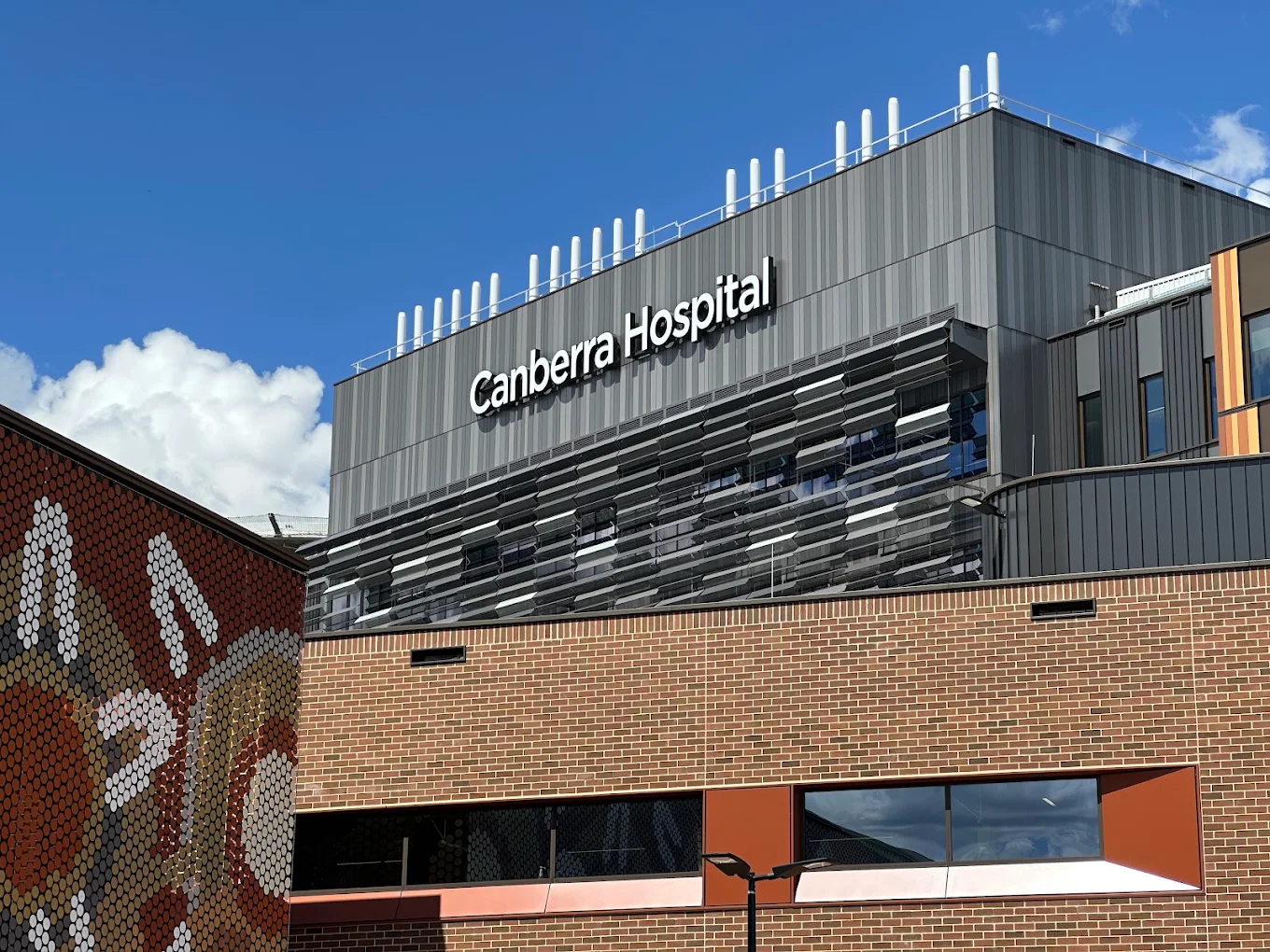
Major procedures, including ablation and device implantation, are performed at these hospitals.
Watch & learn
Short, clear explainers on catheter ablation and atrial fibrillation — so you know what to expect before your consultation.
 Patient education
Norton Heart & Vascular
Play video: Catheter Ablation: What Is It and How Does It Help?
How catheter ablation treats an irregular heartbeat — what happens during the procedure and who may benefit.
 Atrial fibrillation
Mayo Clinic
Play video: Cardiac Ablation for Atrial Fibrillation
How rhythm-control strategies, including ablation, restore and maintain a normal heart rhythm in AF.
Why specialist care
Focused expertise in cardiology and electrophysiology, with international training and accreditation.
Treatment plans tailored to individual patient needs, explained clearly and without rush.
Modern diagnostic and treatment approaches, including pulsed field ablation.
Timely communication with GPs and other healthcare professionals.
For general practitioners
Supporting GPs with specialist cardiac assessment, timely communication and collaborative management of patients with cardiovascular and rhythm disorders.
For patients
Everything you need to know before, during and after your visit.

Dr Khanra charges no gap fees for procedures, keeping out-of-pocket costs predictable.
A short waiting list, with urgent referrals prioritised.
Telehealth appointments are available for suitable reviews and follow-up.
Direct agreements with all major private health funds for hospital and cardiac care.
Write down your symptoms, when they happen and how long they last. A smartwatch or phone ECG recording can be very helpful.
Read more — Preparing for Your AppointmentYour GP referral, Medicare and health fund cards, a list of medications, and any previous ECGs, echo or test results.
Read more — What to BringA current referral from your GP or another specialist is needed for Medicare rebates. Your GP can send it via HealthLink.
Read more — Referral InformationYou will receive a clear explanation of your heart rhythm, your options and what each option means for you.
Read more — Understanding Your DiagnosisFrom medication to ablation or a device, follow-up is planned with you and your GP — in person or via telehealth.
Read more — Treatment & Follow-upAnswers to common questions about electrophysiology, referrals and procedures.
Read more — Frequently Asked QuestionsYour journey
A clear, coordinated pathway from your first referral to long-term follow-up.
Your GP sends a referral via HealthLink or email.
A thorough history, examination and ECG review.
Echo, Holter or other tests as needed.
Options explained clearly so you can decide.
Medication, ablation or a device if required.
Reviews and updates to you and your GP.
Palpitations, dizziness or an abnormal ECG deserve a clear answer. A specialist rhythm assessment turns uncertainty into a plan.
What you can expect
From the journal
Practical, evidence-based reading on heart rhythm conditions, procedures and everyday heart health.
How PFA works, what to expect on the day and who may benefit from this newer, tissue-selective energy source.
Most palpitations are harmless, but some point to a rhythm problem worth investigating. Learn the warning signs and how they are assessed.
From medication and lifestyle to ablation — a practical guide to managing AF and keeping symptoms under control.
Appointments
Consultations are held at the ACT Specialist Centre in Deakin, Canberra. A GP referral is required for Medicare rebates.
Complete the form and the rooms will contact you to confirm a time. Please do not include detailed medical information.
Professional Affiliations & Accreditations
International board certifications, specialist fellowships, and university appointments reflecting the highest standards in cardiac electrophysiology.